In the early 2020s, cycling in the UK experienced a pandemic-fueled boom – pop-up bike lanes filled with new cyclists and bike sales surged. But by 2025 this momentum has largely plateaued. Official figures show cycling levels in 2024 dropped back to roughly pre-Covid levels. The dramatic 2020 spike (when cycling was up 60% amid lockdowns) has receded – in fact, overall cycling mileage in England was 2% lower in 2024 than in 2019. The share of trips taken by bicycle, which briefly doubled in 2020, has settled back to around 1.6% of all journeys.
Several factors lie behind this leveling off. More people returned to cars or public transport as offices reopened, while hybrid working kept some commuters at home. The result: cycle commute rates have not “locked in” their pandemic gains. Outside of a few bike-friendly enclaves, weekday ridership looks much as it did before the virus.

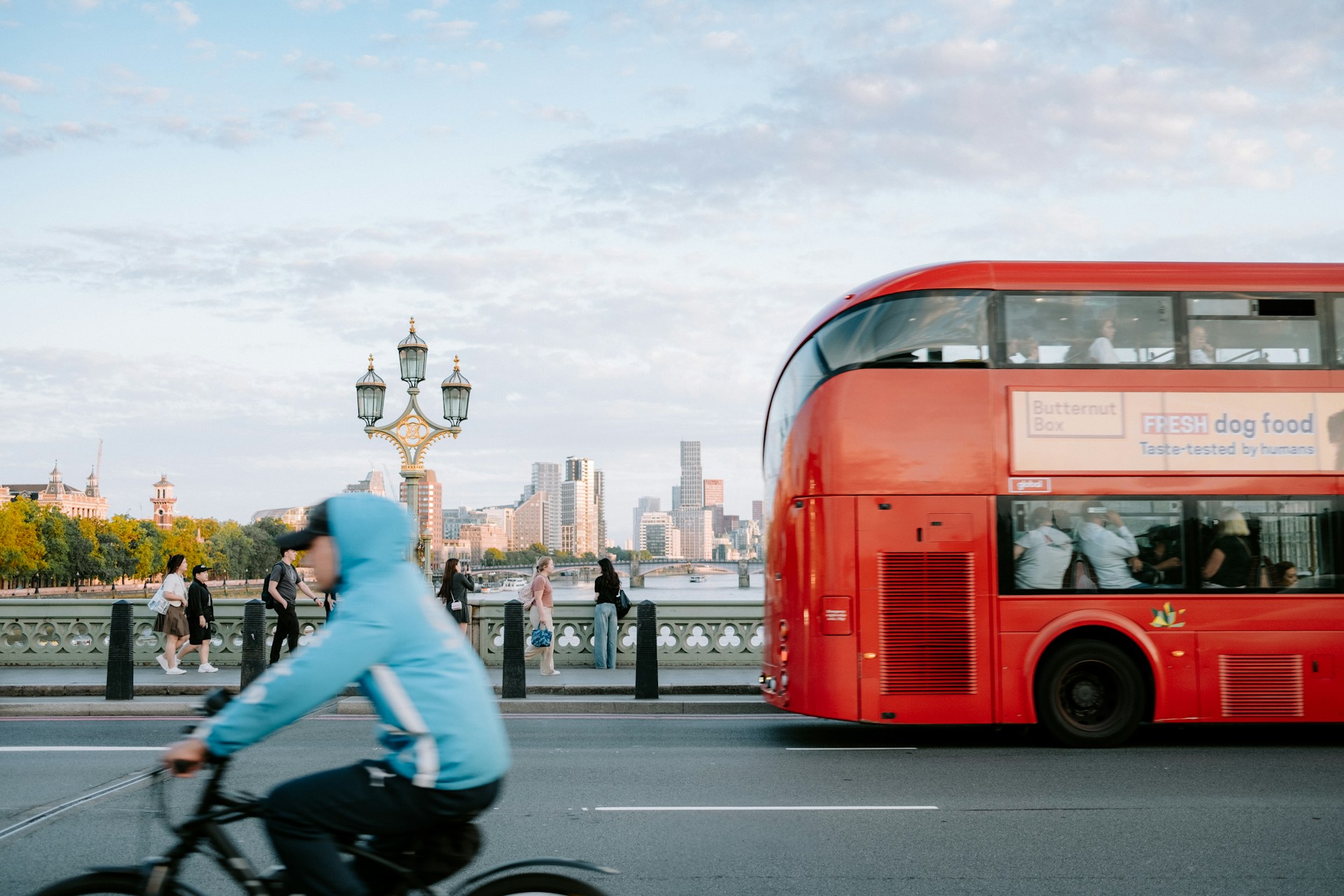
One notable exception to the stagnation is London. The capital has invested heavily in cycling infrastructure, and it shows. Transport for London data indicates about 1.5 million cycling journeys per day in 2025, up 12.7% in one year and 43% higher than 2019 levels. Inner London saw the biggest jump, with cycle trips rising ~15% year-on-year. New protected “Cycleway” routes – extended from 90 km in 2016 to over 430 km now – are credited with fostering this boom. Dockless electric hire bikes have also proliferated: an estimated 10% of London’s daily rides are on rental e-bikes like Lime.
By contrast, many other UK regions have seen cycling use flatline or fall. Without London’s level of infrastructure investment and congestion charges, cycling remains a niche commute mode in most cities. The latest National Travel Survey found only 1.6% of trips nationwide were by bicycle in 2024, essentially back to the pre-pandemic norm. For many Britons, especially outside urban centres, the barriers to cycling – from safety fears to sheer habit – continue to outweigh the benefits.

Recreational cycling is still a mainstay of UK bike culture. Many who bought bikes in 2020 did so for fitness or leisure. Industry data suggests that high-end road and mountain bikes – the kind favored by enthusiasts – actually saw sales growth in 2024 despite the overall market slump. Cycling for fun, whether weekend club rides or family outings, remains popular even if casual riders aren’t buying new bikes as frenetically as they once did. Bike shops report a 7% uptick in repair and servicing work in 2024, indicating cyclists are keeping their existing bikes rolling.
The much-hyped e-bike revolution paints a mixed picture. Electric bikes continue to gain foothold in Europe – over 2 million e-bikes were sold in Germany in 2024 (about 53% of all bikes sold). But in the UK, uptake has been slower. E-bikes made up only 9% of UK bike sales in 2024 (around 145,000 units).
Just 4% of British adults currently use an e-bike and 85% have never tried one. Among those who do ride e-bikes, the vast majority (66%) use them for leisure and recreation, with only 21% using e-bikes for commuting. Cost remains a significant hurdle – the average e-bike sells for well over £1,000, and 19% of non-users cite price as a barrier (alongside 38% who simply prefer their car or public transport). Safety concerns and lack of opportunity to test-ride also deter potential adopters. In short, e-bikes are touted as a game-changer for greener transport, but for now the “electric revolution” is progressing slowly and mainly in the leisure sphere rather than replacing the daily school run or commute.
That said, 2025 could mark a turning point. With fuel and living costs still high, more Britons are eyeing bicycles – electric or not – as a cheaper mobility option. The UK’s popular Cycle to Work scheme (a tax incentive program) injected an estimated £219 million into bike purchases last year, helping commuters afford new bikes and e-bikes. And as local authorities expand bike lane networks in cities like Manchester, Bristol and Birmingham, cycling may gradually become a safer, more attractive choice beyond London.

The boom-and-bust cycle in consumer demand has whiplashed the bike industry. After scrambling to meet 2020’s unprecedented sales, manufacturers and retailers found themselves with excess stock by 2022, just as inflation and recession fears made consumers cautious. UK bicycle sales hit their lowest point in decades in 2024 – about 1.45 million bikes sold, the weakest year since the 1970s. Heavy discounting ensued. The Bicycle Association (BA) reports that mechanical (non-electric) bike volumes fell a further 4% in 2024, and even e-bike sales dipped by 5% despite price cuts. Children’s bikes were especially hard-hit, with unit sales down ~30% compared to pre-Covid times – a worrying trend for future cycling participation. One bike shop owner in Yorkshire described trade this winter as “still quite quiet… I’d hope it will get better”, noting bad weather and economic jitters kept many would-be cyclists at home.
Some bright spots in 2024’s otherwise gloomy landscape did emerge:
Overall, though, the U.K. cycling industry faced its toughest year in a generation.
“This report is a challenging read,” admitted the BA’s Data Director, citing persistent post-Covid overstocking and margin pressure from discounts. Profit warnings and restructuring have been common. Early 2024 saw the collapse of WiggleCRC, the online retail giant formed by Wiggle and Chain Reaction Cycles. The company went into administration in October 2023 and by February had laid off almost all staff. Another British stalwart, Orange Bikes, went bust in late 2023 after decades of building mountain bikes in Halifax. Even world-renowned Brompton Bicycle felt the squeeze – the folding-bike maker’s profits plunged 99%, dropping from £10 million to under £5,000 in one year as production costs and currency headwinds bit into earnings.
Against this backdrop of cuts and consolidation, new job opportunities in cycling have been relatively scarce. Many independent bike shops have tightened their belts or closed, and big manufacturers instituted hiring freezes or layoffs. However, the picture isn’t uniformly bleak.
The growth of e-mobility and active travel has spurred new kinds of roles. Companies like Lime and HumanForest (dockless bike-share operators) expanded fleets in cities, creating jobs in fleet maintenance, charging and logistics. Cycling tech and apparel firms are hiring for product designers, software specialists and sustainability experts to innovate the next generation of gear. And as councils invest (albeit slowly) in cycling infrastructure, there’s work for planners and construction crews to build new bike lanes and cycle parking. In essence, the industry is rebalancing – shedding jobs in saturated segments (like mass-market retail) while adding roles in emerging areas such as e-bike servicing and micro-mobility management.
A UK-first outlook, with global echoes
Many of these trends in Britain mirror those abroad. Across Europe and North America, the pandemic bike boom was followed by a sharp correction. Bike sales in Germany fell ~2.5% in 2024 and major manufacturers from the Netherlands to Taiwan have grappled with excess inventory. In the U.S., cycling participation is actually at record highs (an estimated 112 million Americans rode a bike in 2024) but bike companies there face similar headwinds of tariffs and shifting consumer spending. The U.K. stands out for its relatively low uptake of e-bikes compared to EU neighbors, yet it shares a common challenge: converting the Covid-era interest in cycling into a lasting, self-sustaining growth trend.
There are signs of cautious optimism. The Bicycle Association’s latest market report suggests the worst is over – the “long downturn will gradually bottom out”, it says, predicting modest 2% growth in bike sales in 2025. Excess stock is being gradually worked through, and retailers hope for a return to normal buying patterns by late 2025. Government policy could greatly influence the trajectory. Earlier this year, Westminster drew criticism for cutting England’s active travel budget, putting some cycling schemes on hold. But pressure is mounting to reverse course: the UK has legally binding net-zero goals, and shifting more trips from car to bike is key to cutting transport emissions. The cycle trade argues that with the right support – from e-bike purchase incentives to safe routes – cycling uptake could accelerate, bringing not just environmental benefits but also economic rewards. According to the BA, cycling already contributes £7.5 billion a year to the UK economy and supports about 69,000 jobs – more jobs than the domestic steel industry.
With ambitious growth, cycling could deliver “a significant green dividend” including up to 130,000 new jobs by 2030, the BA projects.

For now, Britain’s cycling industry in 2025 finds itself at a crossroads rather than in full stride. Consumer interest in cycling remains higher than it was a decade ago, but not as feverish as during lockdown. Many who took up biking for recreation have stuck with it, yet everyday cycling (for commuting or errands) has not broken into the mainstream in most of the country. The industry, after a painful correction, is recalibrating to a new baseline. The tone among bike businesses is one of wary optimism – “it’s got to get better than this,” as one trade report quipped.
If there is a silver lining, it’s that the case for cycling – cleaner air, healthier communities, affordable transport – is stronger than ever, and increasingly recognised in public discourse. The challenge will be translating that goodwill into action: building networks that make cycling safe and convenient, making e-bikes and regular bikes accessible to more people, and supporting an industry that, despite recent hardships, still holds the pedals of a greener future. In the coming years, the UK’s two-wheeled journey looks set to continue with a few bumps but plenty of potential on the road ahead.
By Gabe for JobsinCycling
Sources: